

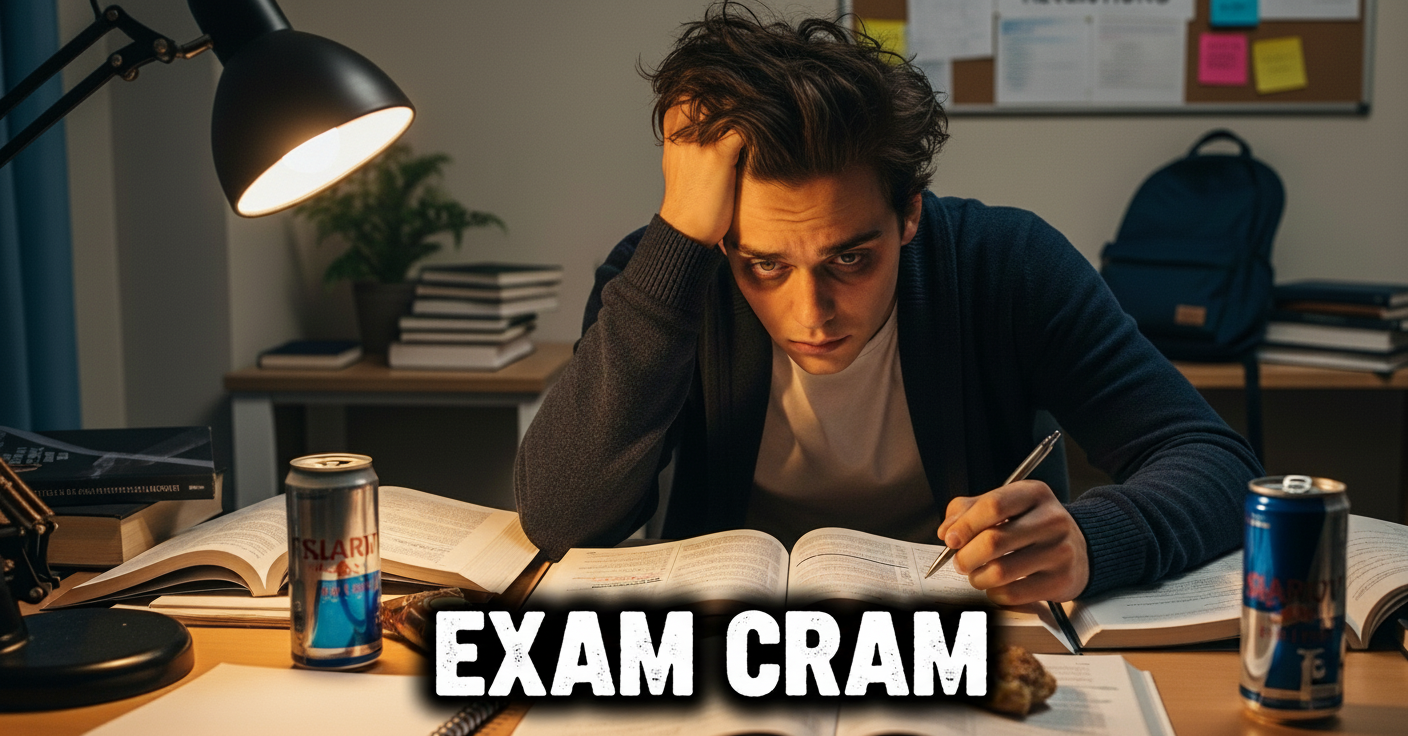
Why Are UK & US Students So Stressed About Exams?
-
High Stakes
In the UK, A Levels decide university admissions, while in the US, SAT or ACT scores play a major role in college applications. One exam can impact a student’s entire academic path. -
Heavy Workload
Students often juggle multiple subjects, assignments, and extracurriculars, leaving little time for rest. -
Parental and Peer Pressure
The fear of disappointing family or falling behind peers can add to the emotional burden. -
Uncertainty About the Future
Not knowing what comes next—college admissions, scholarships, or career options—creates additional anxiety.
Signs of Exam Stress in Students
-
Trouble sleeping or staying focused
-
Loss of motivation or procrastination
-
Physical symptoms like headaches and stomach aches
-
Anxiety, panic attacks, or low self-confidence
How Students Can Manage Exam Stress
-
Break Tasks into Smaller Goals
Instead of trying to master everything at once, divide subjects into manageable study sessions. -
Practice Past Papers
For GCSEs, A Levels, SAT, and ACT, solving past papers builds confidence and reduces fear of the unknown. -
Stay Physically Active
Exercise, even short walks, helps release stress and improve focus. -
Talk About It
Students should share their worries with parents, teachers, or friends. Sometimes, just talking about stress can ease the pressure. -
Get Professional Help
Tutors can provide structured guidance, while counselors can help with emotional support.
How Parents Can Support Their Children
-
Encourage healthy study habits without being overly strict
-
Offer breaks and downtime during intense study periods
-
Celebrate small wins instead of focusing only on results
-
Remind children that exams do not define their entire future
Summary
Exam stress is a real problem for students in the UK and US, but it doesn’t have to control their future. With the right balance of preparation, self-care, and support, students can face exams with confidence instead of fear.
If you or your child are struggling, consider reaching out to supportive resources—whether that’s a tutor, a mentor, or a school counselor. Exams are important, but health and well-being matter most.
FAQs
How can high school students reduce exam stress?
High school students can reduce exam stress by creating a study schedule, practicing past papers, taking short breaks, and getting enough sleep. Staying organized and breaking tasks into smaller goals helps avoid overwhelm.
What are the best ways to cope with A Level and GCSE exam pressure?
To cope with A Level and GCSE exam pressure, students should focus on time management, use active revision methods like flashcards, and seek guidance from teachers or tutors. Parents can also play a role by encouraging balance between study and relaxation.
How can US students manage SAT and ACT exam stress?
US students preparing for SAT or ACT can manage stress by practicing mock tests, learning test-taking strategies, and focusing on weak areas. Consistent preparation and relaxation techniques like deep breathing can improve confidence.
What role can parents play in reducing exam anxiety?
Parents can reduce exam anxiety by offering emotional support, encouraging healthy routines, and celebrating progress instead of only focusing on results. Creating a calm home environment helps students feel more confident.
How can students stay calm before exams?
Students can stay calm before exams by practicing relaxation techniques, avoiding last-minute cramming, and focusing on positive self-talk. A well-rested mind performs better than one stressed with panic.


