

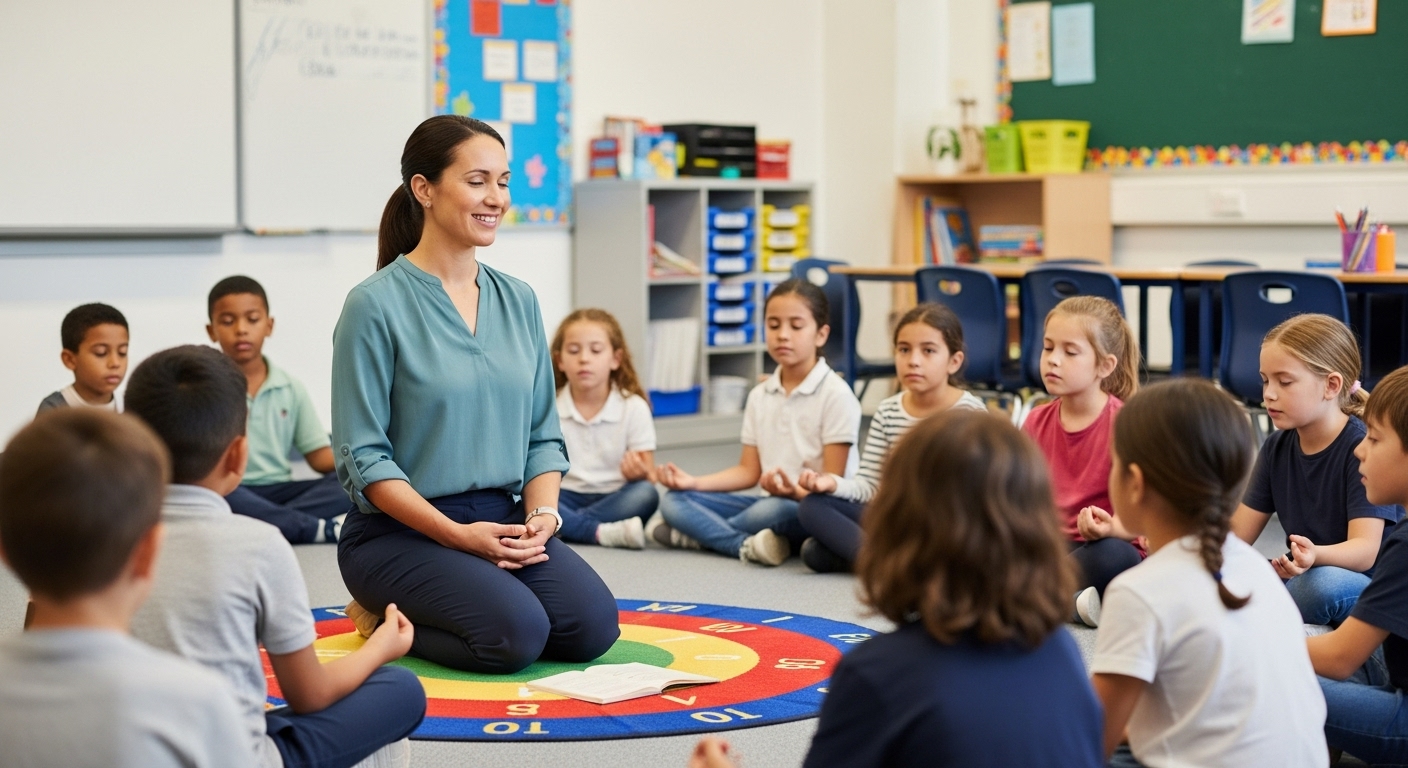

Why Mental Health Education Matters
-
Increasing Mental Health Issues among Young People
Studies show that more young people are struggling with anxiety, depression, and other mental health concerns. The last decade has seen social media pressures, academic stress, pandemic aftereffects, and increased isolation—all contributing to mental health struggles. Schools that acknowledge this and provide education help reduce stigma and improve early intervention.
-
Improving Academic Performance
Mental health problems can lead to difficulty concentrating, poor sleep, low motivation, and increased absenteeism. When young people receive tools to manage stress and emotional challenges, they often perform better in school. Emotional resilience helps them cope with setbacks and maintain consistency in learning.
-
Building Lifelong Coping Skills
Teaching mental health isn’t just helping students survive school years—it’s equipping them for adult life. Skills like emotional regulation, mindfulness, recognizing signs of distress, and knowing when to seek help are lifelong tools. These are increasingly important in a fast-changing, digitally intense, and sometimes isolating world.
-
Reducing Stigma and Promoting Open Dialogue
Too many people still feel ashamed or afraid to talk about mental health. By including mental health education in schools, students are more likely to understand that they are not alone, that many people experience mental health challenges, and that it’s okay to seek help. Open conversations help build supportive communities.
Challenges in Implementing Mental Health Education
-
Lack of Trained Professionals
Mental health education requires teachers and school staff who are trained to recognize signs of distress and deliver sensitive material. Many schools don’t have enough counselors, psychologists, or staff training. Teachers may feel unprepared or afraid of saying the wrong thing.
-
Variable Quality & Curriculum Gaps
Even where mental health education exists, its scope and quality vary widely. Some curricula may only cover basic awareness, while others delve into coping strategies, self care, or peer support. Gaps can lead to inconsistent outcomes.
-
Funding and Resources
Adequate funding is essential—whether for hiring qualified staff, running counselling services, or providing materials. Many school systems struggle with tight budgets and competing priorities, making mental health initiatives easy to cut.
-
Parental Resistance or Misunderstanding
Some parents may feel uncomfortable with certain topics (e.g. depression, anxiety, self-harm, suicide). Cultural, religious, or personal beliefs may lead to resistance. Schools must navigate these sensitivities carefully and respectfully.
-
Maintaining Student Engagement
Students may disengage if lessons are too theoretical or feel irrelevant. Also, discussions of mental health can trigger uncomfortable emotions. Teaching requires balance—safe spaces, interactive methods, appropriate timing.
What Effective Mental Health Education Looks Like
To really make a difference, mental health education should be more than a token lesson. Here are features of successful programs:
-
Comprehensive Emotional Literacy: Teach students about emotions, how to recognize and name them, how to express them, and how to respond to others’ emotions.
-
Coping Strategies & Resilience Skills: Mindfulness, breathing exercises, journaling, stress management, time-management, and techniques for dealing with worry.
-
Peer Support / Safe Spaces: Creating environments in class or school where students feel safe to talk. Peer mentoring programs or group discussions can help.
-
Access to Qualified Professionals: Counselors or psychologists who students can approach, plus teacher training so everyday classroom interactions are more supportive.
-
Integration Across the Year: Rather than one-off lessons, schools should weave mental health education throughout the year. Refreshers, revisiting topics, and responding to current stresses (exams, personal difficulties).
-
Parental Involvement: Workshops, communication, information for parents so they know what’s being taught and how to support students at home.

How Parents & Students Can Engage
Here are actions that families and students can take to support mental health education even if their school is still developing its program.
-
Start Conversations at Home
Ask open questions: “How are you feeling about school?”, “What stresses you?”, “What helps you when you feel overwhelmed?” These build trust and awareness.
-
Seek External Support Where Needed
If school services are limited, consider seeing counselors, using online mental health resources, or peer support groups. Many non-profits offer free or low-cost mental health education.
-
Practice Self-Care Strategies
Students can practice breathing exercises, mindfulness apps, journaling, regular physical activity, and maintaining good sleep and nutrition. Even small routines like walking or unplugging for a while each day help.
-
Advocate for Better School Programs
Students and parents can talk to teachers, school leadership, or parent-teacher associations to push for better mental health curriculum. Share research, request more counseling support, and suggest concrete changes (e.g. regular check-ins, workshops).
-
Use Technology Wisely
Leveraging online platforms can supplement school programs: mental health apps, guided meditation, online peer communities. Also, monitor screen time and social media exposure, since comparison and negativity online contribute to anxiety.

What’s Working Well
-
In many US high schools, emotional support programs that include “check-in” sessions at the start of the day – where students share how they feel – have improved classroom climate and reduced anxiety.
-
UK schools are increasingly integrating mental health first aid training for teachers, giving them tools to spot early signs and respond appropriately.
-
Programs like “Mindfulness in Schools” or “Seeds of Calm,” and school partnerships with mental health charities, offer free lessons, group sessions, or drop-in counselling.
Summary
Mental health education is no longer optional—it’s becoming central to ensuring students succeed both academically and personally. When well implemented, it equips young people with emotional tools, supports resilience, and fosters healthier school communities.
Parents and students can play a big role: by talking openly, practicing self-care, and advocating for better resources. If your school or community doesn’t offer comprehensive mental health learning yet, there is still plenty you can do to help make that change.


1 Comment
Manage anxiety by normalizing difficult questions. Every SAT has genuinely hard questions that many students get wrong. If you encounter a hard question, that’s expected. Don’t let it derail your mental state. Stay composed and keep working.